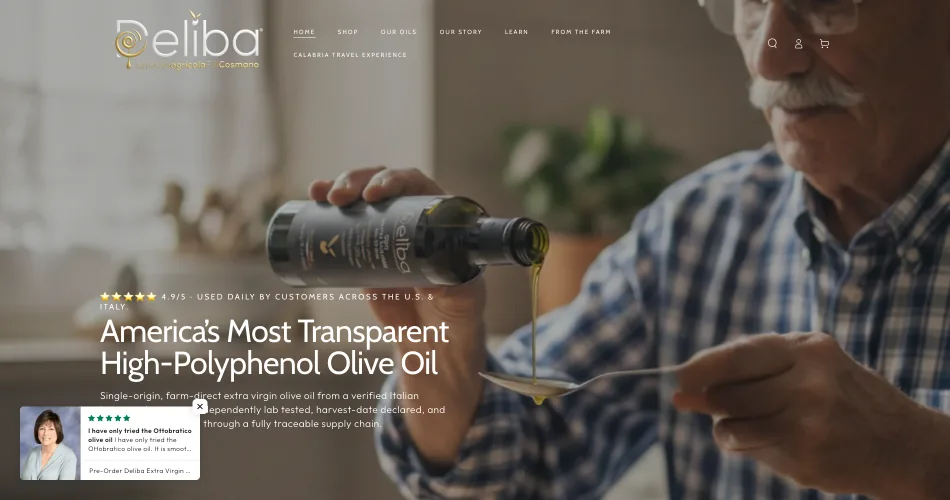
Deliba Olive Oil
Website Design · Shopify Development · Subscription Integration
Read project case study →Ecommerce stores engineered to convert browsers into buyers.
Get Your Free Ecommerce Consultation →I either customize an existing Shopify theme to match your brand precisely — modifying layouts, typography, colors, spacing, and functionality — or I build a completely custom theme using Shopify's Liquid templating language. Either way, your store won't look like a template. It will look like a professional brand that takes its customers seriously.
The product page is where the buying decision happens, and most Shopify stores get it wrong. I design product pages with high-converting layouts: large product imagery with zoom capability, clear pricing and variant selectors, strategically placed trust signals (shipping info, return policy, security badges), review integration, urgency elements when appropriate, and related product recommendations that increase average order value.
I optimize every step from "Add to Cart" to "Order Confirmed." Streamlined checkout forms with minimal fields. Guest checkout enabled. Multiple payment options (Shop Pay, Apple Pay, Google Pay, credit cards). Trust badges visible throughout the checkout flow. Post-purchase upsell and thank-you page optimization. The goal is reducing cart abandonment at every friction point.
Your Shopify store gets found on Google through SEO, not just paid ads. I optimize your store's title tags, meta descriptions, URL structure, image alt text, collection page hierarchy, product descriptions with relevant keywords, internal linking between collections and products, and blog content strategy. I also configure your sitemap and submit it to Google Search Console.
I integrate the Shopify apps your business actually needs — email marketing platforms like Klaviyo, review tools like Judge.me or Loox, subscription management, inventory systems, and analytics tools. Critically, I ensure app integrations don't tank your store's performance. Every app I install is tested for speed impact.
Over 70 percent of ecommerce traffic comes from mobile devices. I design and build your Shopify store mobile-first — ensuring smooth navigation, easy product browsing, quick add-to-cart, and a frictionless mobile checkout. Your store will feel native on phones and tablets, not like a shrunken desktop site.
We discuss your products, target market, competitors, and conversion goals.
Custom Figma mockup tailored to your brand and your buyers.
Clean Liquid code, optimized for speed and conversion on every device.
Full Shopify SEO configuration and integration of essential apps only.
Full checkout flow testing, cross-device QA, and seamless launch.
30 days of complimentary support, then optional ongoing maintenance.
Website Design · Shopify Development · Subscription Integration
Read project case study →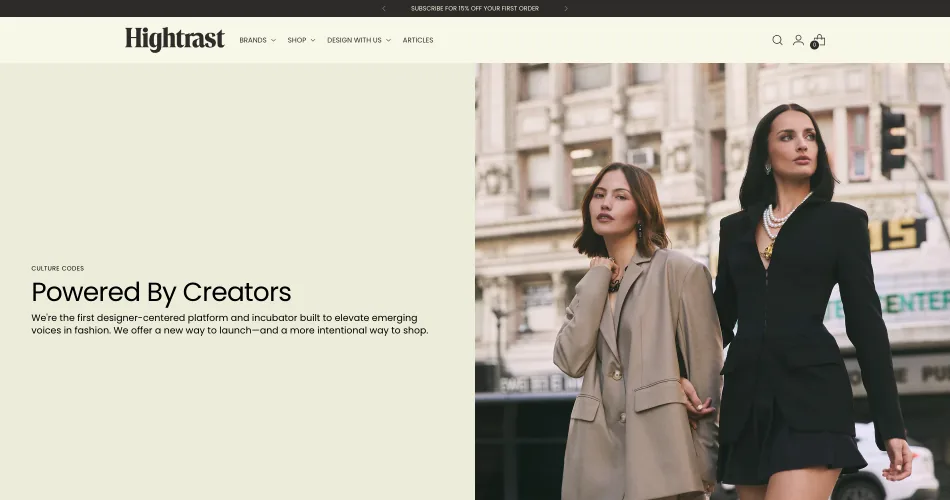
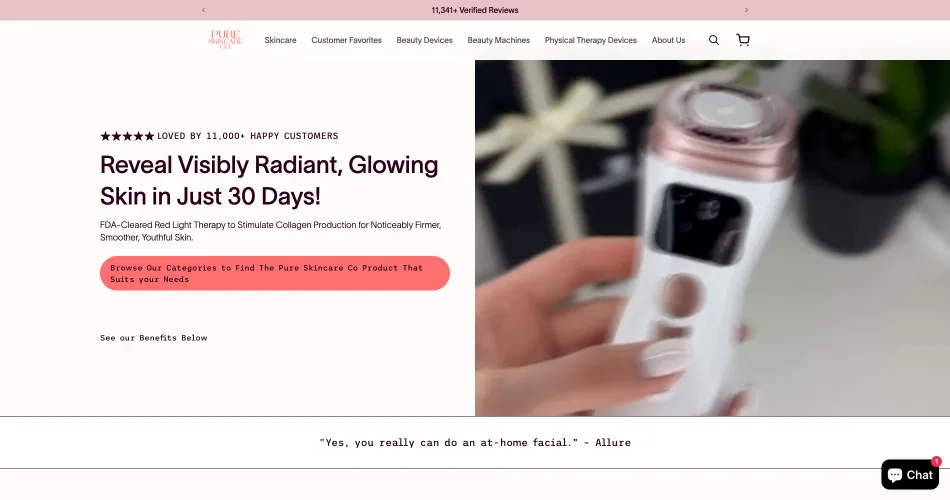

Website Design · Shopify Development · Subscription Integration
Read project case study →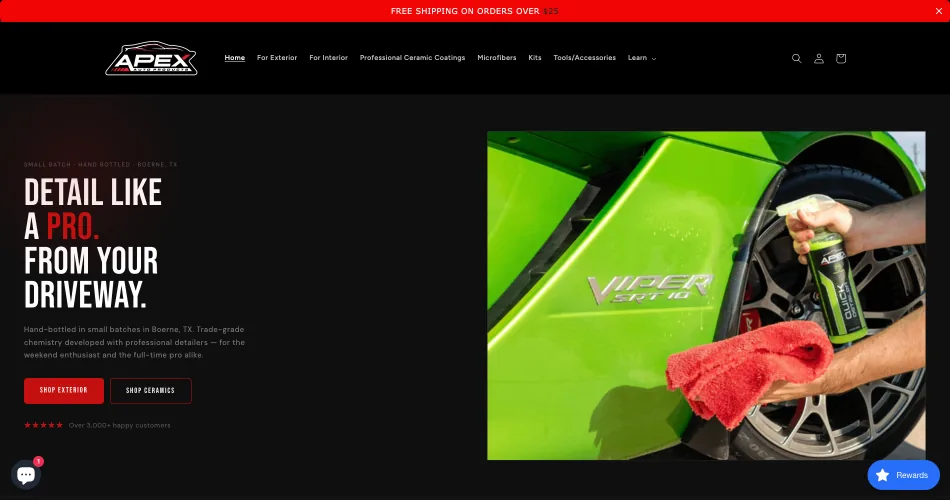
Website Design · Shopify Development · UI/UX Design
Read project case study →Everything you need to know about working with me. Can't find your answer? Get in touch.
A basic Shopify store with a customized theme, product upload, essential app integrations, and SEO setup typically starts between $2,000 and $4,000. Custom Shopify theme builds, complex functionality, or large product catalogs may go higher. I provide a detailed quote after understanding your specific needs — no cookie-cutter pricing.
Yes. I handle complete WooCommerce-to-Shopify migrations including products (with all variants and images), customer data, order history, and 301 URL redirects to protect your existing Google rankings. The transition is carefully planned so you don't lose traffic or SEO authority.
If your goal is to actually generate sales — not just have a store that exists — then yes. The difference between a DIY Shopify store and a professionally built one shows up in conversion rates. Professional product page design, checkout optimization, SEO setup, and brand experience can mean the difference between a store that makes a few sales and one that generates consistent daily revenue.
Most Shopify stores take two to four weeks from kickoff to launch, depending on the number of products, level of customization, and complexity of integrations.
Yes. I offer monthly Shopify support plans that include theme adjustments, product updates, app management, performance monitoring, and SEO improvements.
It depends on your priorities. Shopify is better for businesses focused primarily on ecommerce — it handles hosting, security, payment processing, and updates so you can focus on selling. WooCommerce is better when you need a full content management system alongside your store. I work with both platforms and will recommend the right one during our consultation.
Book a free 30-minute discovery call. I'll give you honest advice on the best approach for your specific situation.